

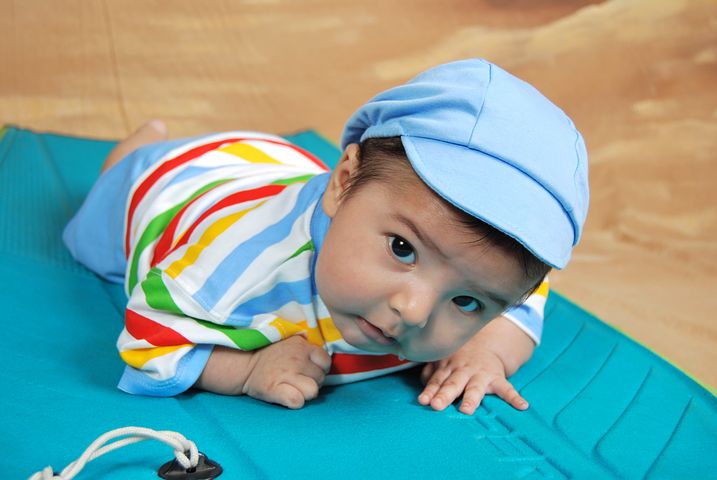
When a baby has gas, tiny bubbles develop in their stomach or intestines, sometimes causing pressure and stomach pain. Many gassy babies are not bothered by their gas, but some become restless and cannot sleep until they have passed their gas. Others cry for hours.
A handful of simple home treatments can usually soothe a baby and relieve their gas pains. In most cases, infant gas is nothing to worry about. However, discussing gas with a pediatrician can offer reassurance and help a parent or caregiver to determine why the baby has gas.
In this article, we look at causes of gas in babies, its symptoms, and how to help relieve the trapped gas.
Reasons a baby may become gassy include:
Swallowing air
Babies can swallow air if they latch onto the breast incorrectly, or if they nurse or drink from a bottle in certain positions. They can even swallow air just from babbling a lot.
Excessive crying
Babies tend to swallow air when they cry. If this causes them to have gas, you may hear them passing it after crying. It can be hard for someone to tell if gas is causing their crying or if crying is causing their gas. Either way, it is important to promptly tend to a crying baby’s needs and soothe them in the best way possible.
Minor digestive problems
Babies may get gas when they are constipated.
Less commonly, gas may signal a gastrointestinal condition, such as reflux. Talk to a pediatrician, especially if the gas happens a lot or is severe.
An immature digestive tract
Babies’ bodies are learning how to digest food, so they tend to get more gas than adults.
Gastrointestinal virus
Sometimes a virus causes stomach problems, such as gas, vomiting, and diarrhea.
New foods
In older infants who eat solids, new foods may cause gas. For some infants, frequent gas may be one of the signs of a food sensitivity.
Symptoms
The most common symptoms of gas in a baby include:
- crying while passing gas or soon after, especially if the crying happens when a baby is unlikely to be hungry or tired
- arching the back
- lifting the legs
Home Remedies
Simple home remedies can help soothe a baby and possibly help gas bubbles move more quickly out of its body.
Positioning the baby so that their head is above their stomach can help.
Try the following methods to relieve gas in a baby:
Moving their legs in a circle
Lay the baby flat on their back and lift their legs with their knees bent. Move the legs in a bicycling motion to help the baby relieve trapped gas.
Raising their head
Elevate the baby’s head above their stomach. Try holding them in an upright position for burping.
Going for a car ride
If the baby likes riding in the car, go for a ride. The gentle rocking may ease pain and calm the baby.
Swaddling
Swaddling newborns and young babies can help. However, not all babies enjoy this.
Cradling them face down
Cradle the baby in your arms, but face down instead of face up. Support the baby’s head, elevating it slightly, and ensure nothing covers the baby’s face or nose.
Massaging their belly
Gently rub the baby’s stomach. Try pressing down in gentle clockwise or counterclockwise motions. Let the baby’s reaction guide the pressure.
Burping them
Burp the baby by rubbing or gently patting their back.
Distracting them
Older infants might cry more from pain when they are bored. Singing, dancing, toys, and interactive play can help distract the baby from the pain of gas.
Tummy time
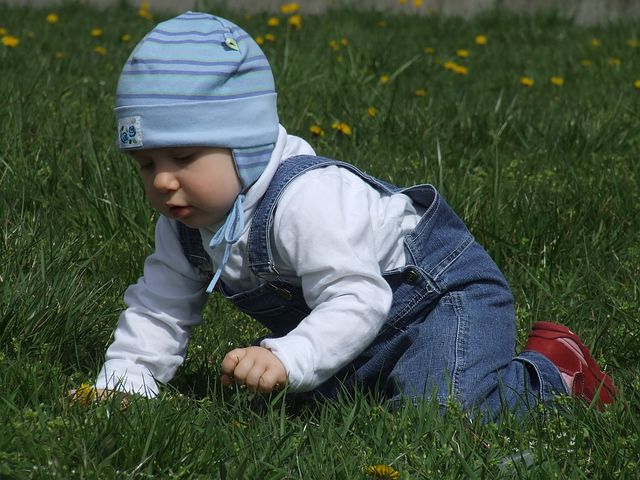
Give the baby tummy time while awake and supervised. Tummy time involves placing them on their tummy and letting them move around. This strengthens their upper body muscles and encourages them to elevate their head. This can free trapped gas, while also helping boost healthy muscle development.
Giving gas drops
- Simethicone gas drops help some babies and are safe to give up to 12 times a day, as long as parents or caregivers follow the dosage on the bottle. However, most studies suggest these drops might be no better than a placeabo at reducing crying or gas.
