
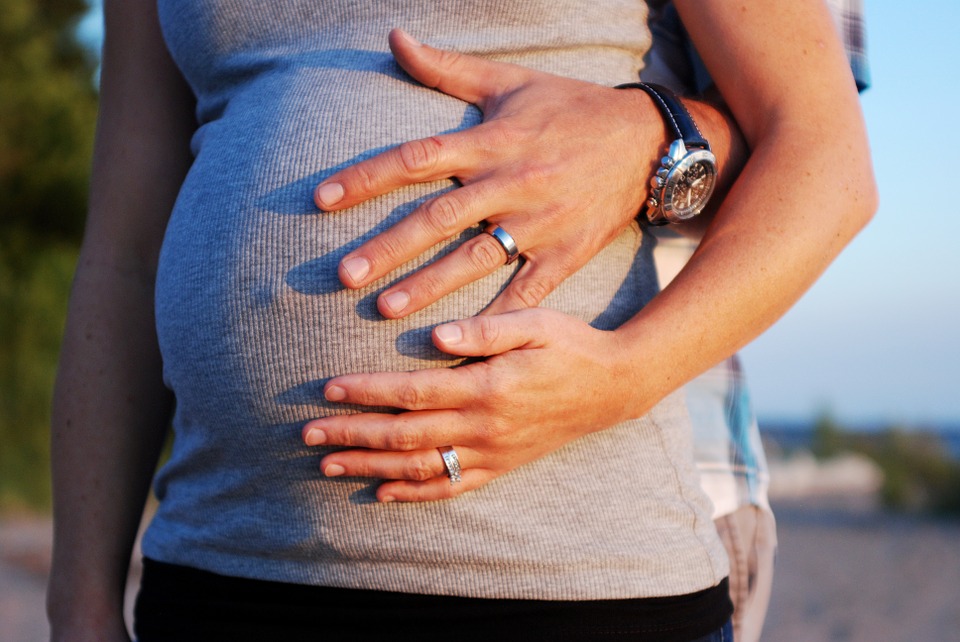
WHO’s Strategic Advisory Group of Experts on Immunization has released interim guidance supporting the immunization of pregnant and lactating women against Ebola — but only those who are health care or front-line workers — in areas neighboring the Democratic Republic of the Congo, or DRC. The recommendation includes three types of experimental vaccines.
“Such vaccination should be implemented as part of a randomized clinical trial and in compliance with [good clinical practice] and informed consent,” the group wrote. “Since these three new candidate vaccines are nonreplicating or replication deficient, pregnant and lactating women should be included into the clinical trial protocols.”
In their guidance, SAGE also supported the recommendations of an ethics committee in the DRC to vaccinate pregnant women in outbreak areas using Merck’s V920 live-replicating vaccine. SAGE also acknowledged the ethics committee’s decision to vaccinate lactating women and children aged younger than 1 year with V920 but said it is currently reviewing data on its use in these populations.
A DRC Ministry of Health representative was unable to confirm that pregnant women will be receiving vaccination against Ebola.
Initially, in October 2018, the committee said there was insufficient evidence to recommend Ebola vaccination in pregnant women. A press release issued by WHO suggests that the change in recommendation was made because infection during pregnancy results in a very high risk for fetal and maternal death.
“This change is anticipated to help protect pregnant women, who previously were protected only if their surrounding community members — contacts and contacts of contacts — were vaccinated,” the organization said.
Carleigh Krubiner, PhD, a policy fellow at the Center for Global Development and faculty member at the Johns Hopkins Berman Institute of Bioethics, told Infectious Diseases in Children that allowing pregnant and lactating women to have the option of immunization is “absolutely” a step in the right direction.
“The next steps are really about making sure that women are informed about these decisions and that they are able to make informed choices about whether or not to vaccinate given the risks and unknowns about the vaccine,” she said.
(healio.com)
