
Gender equality is an essential part of sustainable development. It is your fundamental human right that is not just principal common freedom, but forms the foundation for a serene, prosperous and supportable world. Globally, close to 50% of men said they had more right to a job than women (UN, 2021). Yet, Gender equality requires equivalent happiness by ladies and men of socially esteemed merchandise, open doors, assets and prizes. Where inequality exists, it is most common amongst women. A UN report has found almost 90% of men and women hold some sort of bias against females. In this report, the “Gender Social Norms” index analysed considered biases in areas such as politics and education existent in 75 countries.
Over the years, there have been strong outcries on issues relating to gender stereotypes and gender bias especially in Africa. Does this mean that the situation is without improvement? With close observation, you would notice progress on gender equality over the years albeit slow. More female now access education, the pressure on young ladies to marry early has reduced, more ladies are serving in parliament and places of administration, and regulations are being changed to propel orientation fairness.
However, there’s still so much work to be done. Gender inequality still lurks and exists among us: oppressive regulations and accepted practices stay inescapable, ladies keep on being underrepresented at all degrees of political authority, report encountering physical or sexual brutality.
To handle the threat of gender inequality towards sustainable development, there has been increased awareness and moves by different bodies and stakeholders (like UN Women, Equality Now, European Women’s Lobby, and more) to drastically reduce it, so that ladies, including you, can live up to your full potential and contribute to the sustainable development of the country and world at large.
The celebration of International Women’s Day (IWD) is part of the avenues to promote gender equality. It is celebrated to recognize the social, economic, cultural and political achievements of women across the globe. Celebrated first in 1911. Organisations and institutions usually use this opportunity to organise seminars, talks, rallies, debates and more to commemorate the celebration. Articles, graphic images and content promoting gender equality are also widespread across social media, websites and the likes. The global campaign theme continues all year to encourage people to take action against gender inequality. Actions like calling out bias, discrimination and stopping all forms of stereotypes.
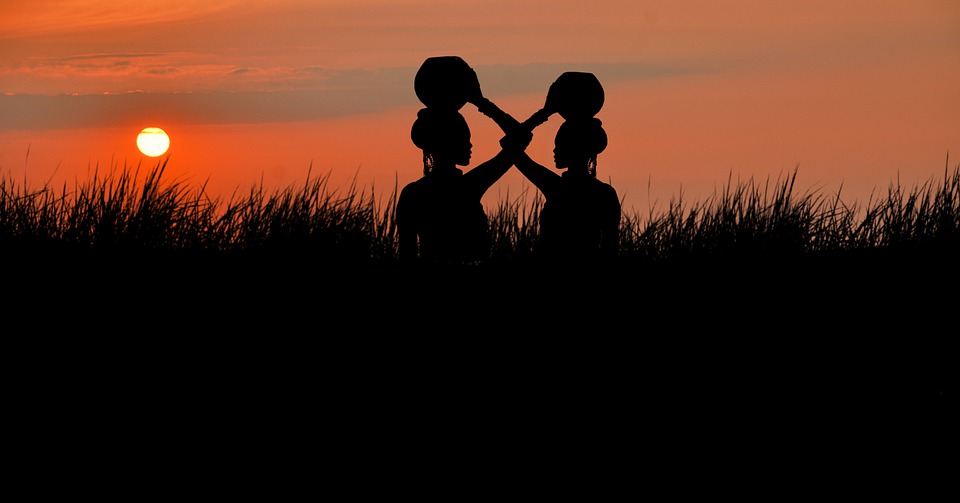
Amazingly, the campaign for this year’s IWD has been tagged, “Break the bias.” A pose that shows the crossing of the hands has also been adopted to reflect the campaign with the hashtags: #IWD2022 and #BreakTheBias.You can share an image of yourself with the pose, share content on the theme on your platforms, attend any of the seminars or lectures around you, call out bias, discrimination and the likes as mentioned above, celebrate your fellow ladies and more.
Promoting gender equality strengthens economies and builds stable, resilient societies that give all individuals the opportunity to fulfil their potentials. It is urgent to speed up reasonable improvement across all other development areas.
Check out these 4 ways to address gender financial gap and empower women..
Ngozi Eneh is a researcher and drives sustainability, inclusion and womens development
